

Rats can cause more problems in a home than scratching noises in the ceiling. Once they enter a roof cavity, they may damage insulation, chew building materials, contaminate surfaces and create hidden problems that become worse over time. Homes requiring rats removal in Melbourne often show signs such as droppings, disturbed insulation, gnaw marks or noises coming from the roof at night. Roof rats are particularly capable climbers and are known to nest in buildings and roof voids. Understanding what rats can do inside a roof space can help homeowners recognise an infestation early and take sensible action before damage spreads.
Why Rats Are Attracted to Roof Spaces
Roof spaces can provide rats with many of the things they need to survive. They are usually dark, quiet and protected from weather, people and many natural threats. During colder periods, the warmth inside a roof cavity may also make it an attractive place for rodents to shelter.
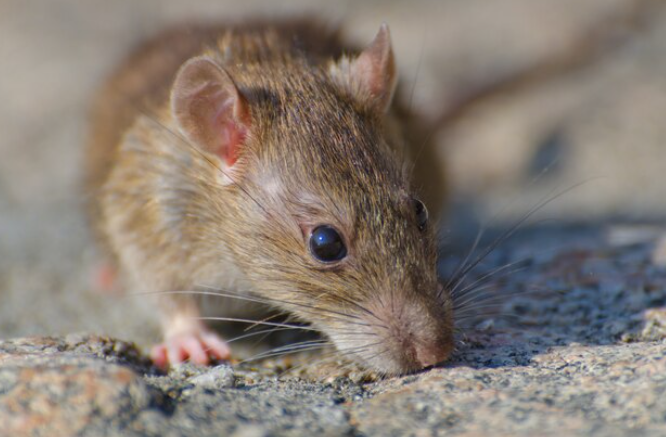
Roof rats are particularly well suited to these areas because they are skilled climbers. In Victoria, they are commonly found in built-up areas and can nest inside buildings and roof voids. They may reach roofs by climbing trees, fences, pipes, walls or other structures positioned close to a house.
Once inside, rats may find insulation useful for creating sheltered nesting areas. They can also move through gaps around pipes, cables, vents and sections of the roof structure.
Food does not necessarily need to be available inside the roof. Rats may shelter above the ceiling and leave the property at night to search for food and water before returning to the same nesting area.
How Rats Can Damage Ceiling Insulation
Insulation is designed to slow the transfer of heat through a building, helping homes stay warmer during winter and cooler during summer. Good ceiling insulation can therefore make an important contribution to a home’s energy efficiency.
When rats move through a roof cavity, they may disturb insulation that has been carefully positioned between ceiling joists. They can flatten sections, push material aside or create tracks through loose-fill and batt insulation.
Rats may also pull pieces of soft material into nesting areas. Over time, this can leave sections of the ceiling with uneven insulation coverage.
Damaged or displaced insulation may not perform as intended. Areas with reduced coverage can allow heat to transfer more easily through the ceiling, potentially making temperature control less effective.
Rodent contamination can create another issue. Droppings, urine and nesting material may become mixed through damaged insulation, making cleaning more complicated than simply removing the rodents themselves.
Chewing Can Create Problems Around Wiring
Rodents have strong front teeth and regularly gnaw on different materials. This behaviour can become particularly concerning when rats are living around electrical cables.
Agriculture Victoria notes that rodents such as mice can chew insulation, electrical wiring and other infrastructure. Similar gnawing behaviour from rats means cables within an infested roof space should not be ignored if there are signs of damage.
Chewed cable coverings may expose or weaken electrical wiring. Because electrical systems can present serious safety risks, damaged wiring should always be assessed by an appropriately licensed electrician rather than handled by a homeowner.
Homeowners should also avoid entering a roof cavity without understanding the hazards present. The Victorian Department of Health warns that roof spaces may contain electrical wiring, animal droppings, dust, insulation fibres and other materials. It recommends switching electricity off before entering and avoiding contact with damaged cables or electrical equipment.
Professional rodent control in Melbourne can help address the infestation, while damaged electrical components may require separate specialist repairs.
Droppings and Urine Can Contaminate Roof Areas
Physical damage is only part of the problem when rats remain inside a roof for an extended period. Their droppings, urine and nesting debris can gradually build up in areas that are difficult for homeowners to see.
The Victorian Department of Health specifically identifies animal droppings as one of the materials that may be found inside roof cavities. It also advises people not to disturb dust and other materials unnecessarily because roof spaces can contain several potential hazards.
Contamination may occur on insulation, timber, stored belongings and other surfaces within the roof. In some cases, an unpleasant smell may become noticeable in rooms below.
Dead rodents can also create strong odours if they remain inaccessible inside wall or ceiling cavities.
If contamination is significant, removing the rats may only be the first stage. Damaged insulation or heavily affected materials may need to be assessed to determine whether cleaning, removal or replacement is appropriate.
Signs Rats May Be Damaging Your Roof Space
Rats are mostly active when a home is quiet, so the first sign of a problem is often sound rather than a direct sighting. Scratching, running or gnawing noises coming from the ceiling during the evening or overnight may indicate rodent activity.
Droppings are another common warning sign. Homeowners may notice them in garages, cupboards, sheds or around access points leading towards the roof.
Other signs can include disturbed insulation, shredded paper or fabric, gnaw marks, unusual smells and greasy marks along areas where rodents repeatedly travel.
An occasional noise does not automatically confirm an infestation, but repeated signs should not be ignored. Rats can reproduce quickly, meaning a small problem has the potential to become more difficult to manage if suitable food, water and shelter remain available. Victoria’s Department of Health recommends good hygiene and removing possible food, water and shelter sources as important parts of rodent management.
Early mice control or rat management can also help reduce the chance of rodents establishing long-term nesting sites inside a building.
Preventing Rats From Returning to the Roof
Removing existing rodents is important, but preventing another infestation usually requires attention to how they entered the property in the first place.
Possible access points may include gaps around roofing materials, vents, pipes, eaves and service penetrations. Trees or vegetation growing close to the roof can also provide climbing rodents with easier access to upper parts of a building.
Food sources around the property should also be managed. Pet food, rubbish, fallen fruit and poorly sealed food storage areas can encourage rodent activity.
When people compare rodent control in Melbourne price options, it is useful to consider more than the immediate treatment. The size of the infestation, accessibility of the roof, entry points and the amount of follow-up work required can all affect the overall job.
Long-term prevention is usually strongest when treatment is combined with practical measures such as reducing food sources, identifying entry points and checking roof spaces periodically for fresh signs of activity.
Need Help With Rats in Your Roof?
Rats living above the ceiling can damage insulation, contaminate roof spaces and potentially affect wiring and other building materials. Dealing with the problem early can help limit the amount of damage and reduce the chance of rodents becoming established inside the property.
If you are hearing scratching sounds or have noticed other signs of rats, contact Rats Removal Melbourne on 03 8592 4758 to discuss professional assistance. We provide rat control solutions for homes and properties across Camberwell, Burwood, Doncaster, Berwick and Pakenham, as well as surrounding Melbourne areas.